Nest 360

Rapid prototype of an intelligent cradle (co-creation hackathon)

Project overview

Problems

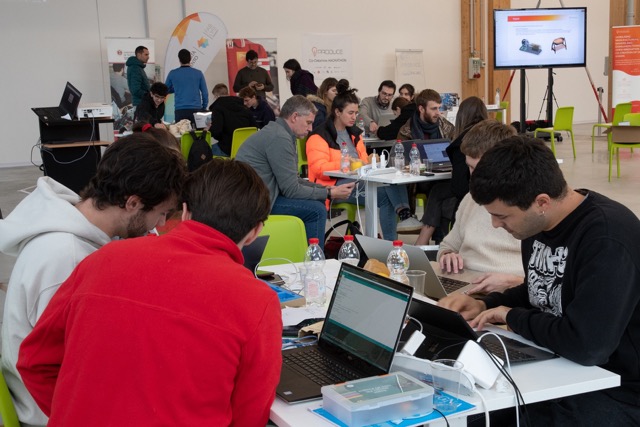
What will cradles look like 10 years from now? The challenge consists in providing an initial answer to this question, proposing innovative ideas in a very short amount of time.

Methods

Rapid prototyping;

design thinking;

double diamond.

Tools

Blender;

Adobe Premiere Pro;

Figma;

Arduino.

Goals

Designing (in just four hours) an hi-tech cradle, according to the principles of co-design, co-development and open innovation.

Developed in collaboration with Riccardo Carretta, Luca Cazzola, Fabio Fiori (2022).
Introduction

What will cradles look like 10 years from now? This challenge was proposed by iProduce (the promoter of the hackathon), which is a European Open Innovation project involving around twenty partners from nine different countries, including Italy.

The goal of iProduce is to develop a platform that brings together supply and demand, i.e. one that allows invention, realization and request of innovative products and services, tailored on companies needs.
Design process

1

Research on the topic, brainstorming (discover)

2

Selecting useful insights and ideas (define)

3

Prototyping (develop)

4

Final presentation (deliver)

The problem

We started the challenge by looking at available scientific information on the topic. We found that neurodevelopmental research suggests some principles which should be taken into account in the design of a cradle. They include:

Proximity to parents;
correct alternation of light and darkness;
adjustable cradle swinging rhythm;
regulated temperature;
presence of gentle background sounds;
reassuring lights;
presence of interactive games (cause-effect).

We decided to embed in our project most of these aspects because they contribute to the overall wellbeing of the infant.

Addressing the problem

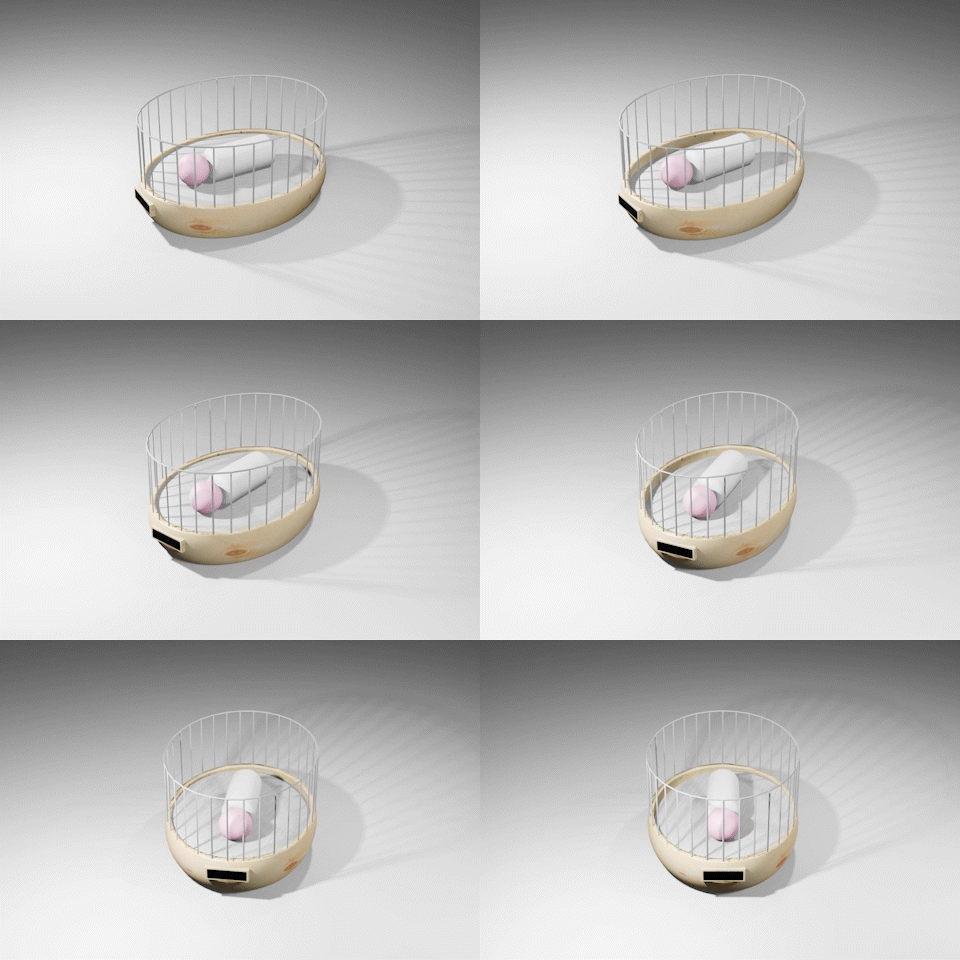
Our design proposal is based on scientifically backed guidelines about infants' wellbeing. We presented our solution through a 3D model of the cradle, a prototype of its digital interface and an Arduino based mechanism.

The wooden enclosure of the cradle is designed to be removable in order to allow the parent to handle the child more easily inside it. The cradle can be separated from the support structure to facilitate transportation and proximity to the parent.

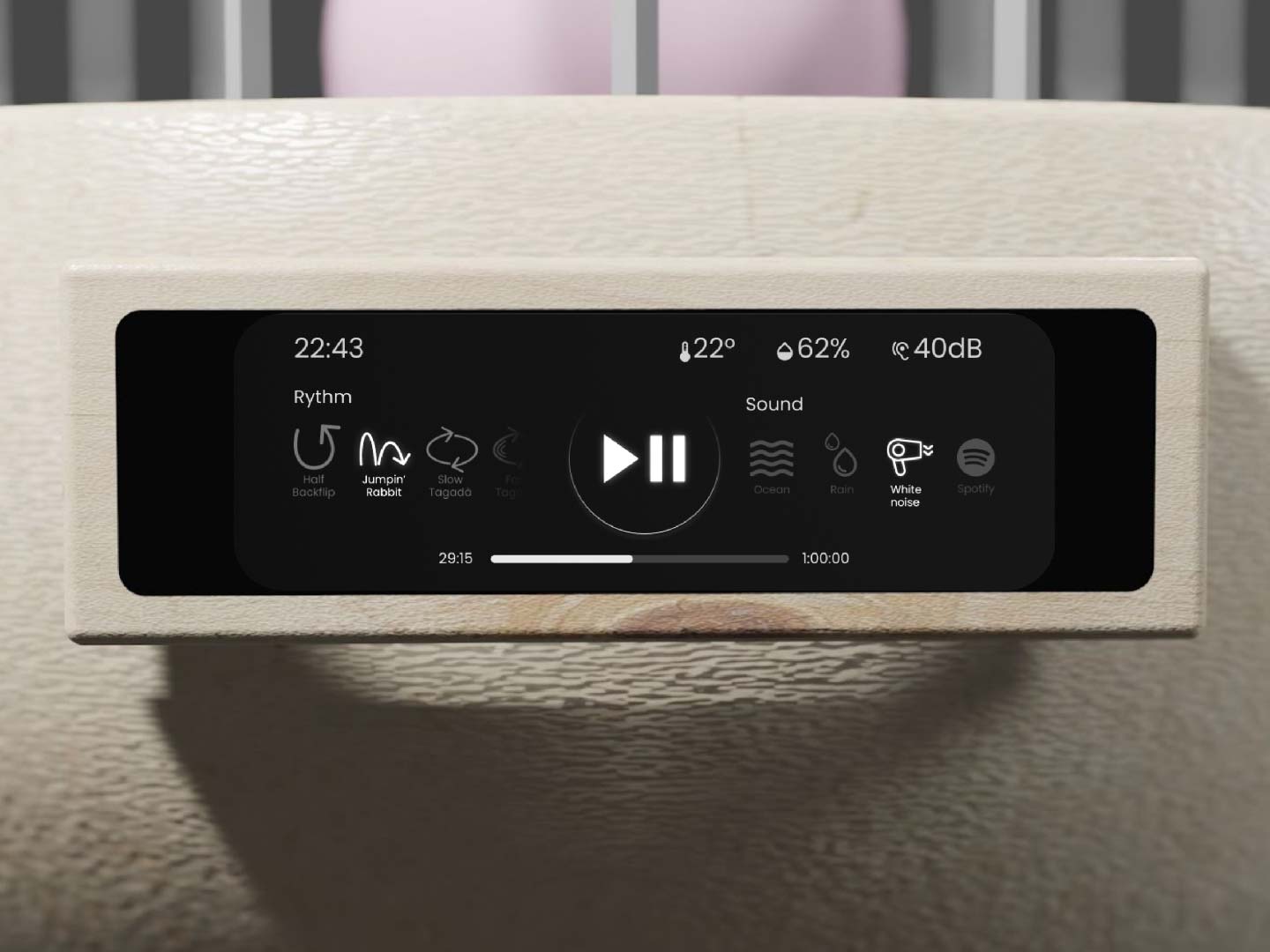
The parents, through a specifically designed application connected to the cradle and the display on the structure itself, can always be able to monitor the quality of their child's sleep. They can select the sway rhythm, sounds, and timer for movement period.

A special blanket can be attached to the mattress in order to prevent the child from being in a prone position. Another important feature is the possibility to receive a notification on the phone whenever a sudden reaction of the child is detected (crying, tugging, etc). An immediate shutdown button is presented both in the application and on the display.

The kit also includes some games, designed and selected specifically for the well-being of the child. They can be attached to a modular holder on the fence. We also imagined, in a future alternative of our prototype, that the cradle can be implemented with a system that favors the alternation between light and dark, in such a way as to guarantee the normal development of the child's circadian cycle.

My contribution in Nest 360

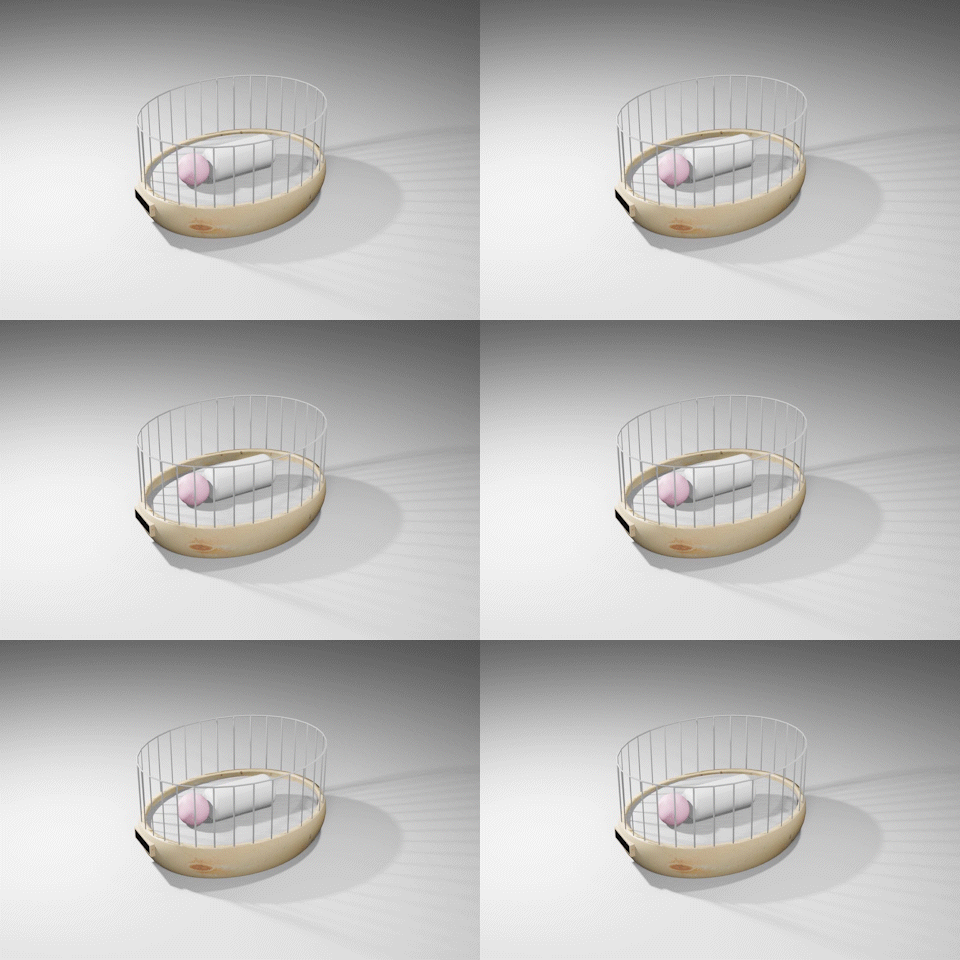
In this project, I designed the 3D model of the cradle using Blender. Initially, this model was intended as a prototype for reflection, because it helped the team to objectively discuss (during the design process) on the envisioned solution. Eventually, it was also useful for describing our ideas to external people (especially judges).

In addition, I adopted Adobe Premiere Pro for editing and exporting the final videos of the prototype, which were particularly appreciated by the judges during the final presentation.